Drive on the left, steering wheel on the right. For the first few days, take intersections and roundabouts (clockwise) deliberately slowly.
Driving licence: Always carry your German driving licence, plus an International Driving Permit or an official English translation. How long you can drive on it depends on the state — around six months in New South Wales and Victoria, three in the Northern Territory.
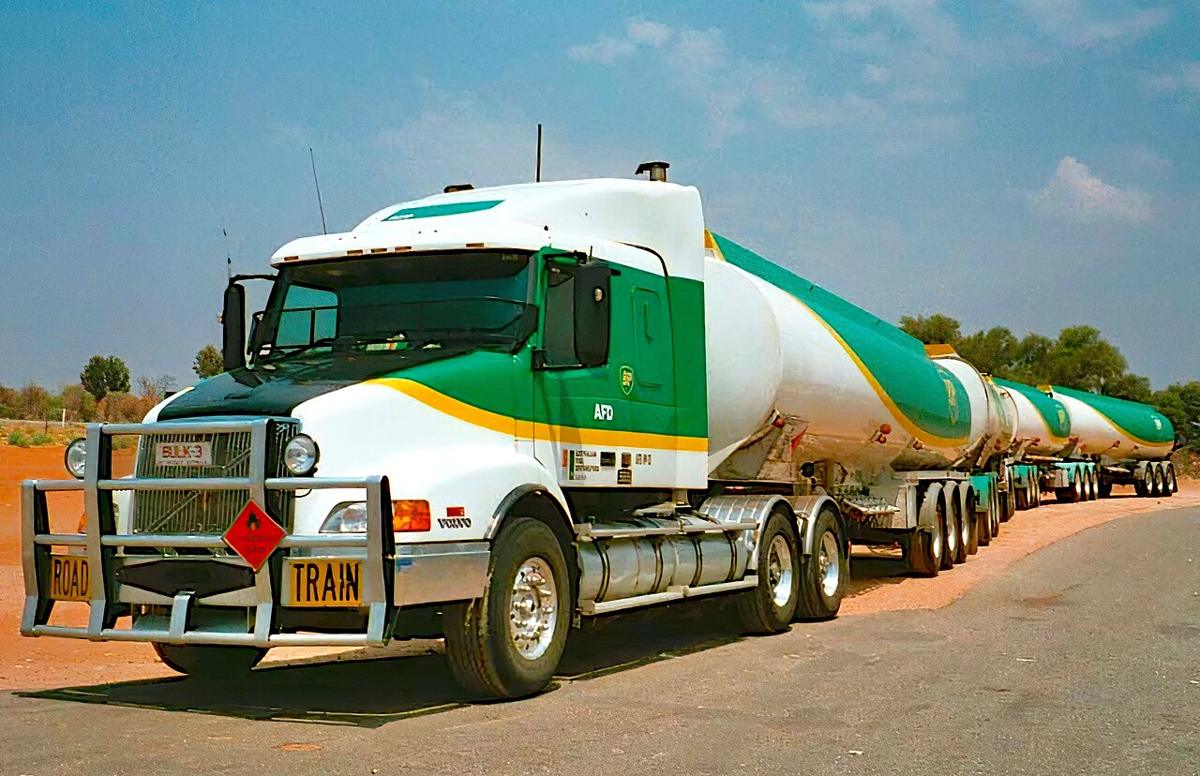
Road trains: Trucks with several trailers, up to more than 50 m long. Only overtake with a very long, clear view ahead.
Photo: Hossen27 at English Wikipedia · Public domain · Commons
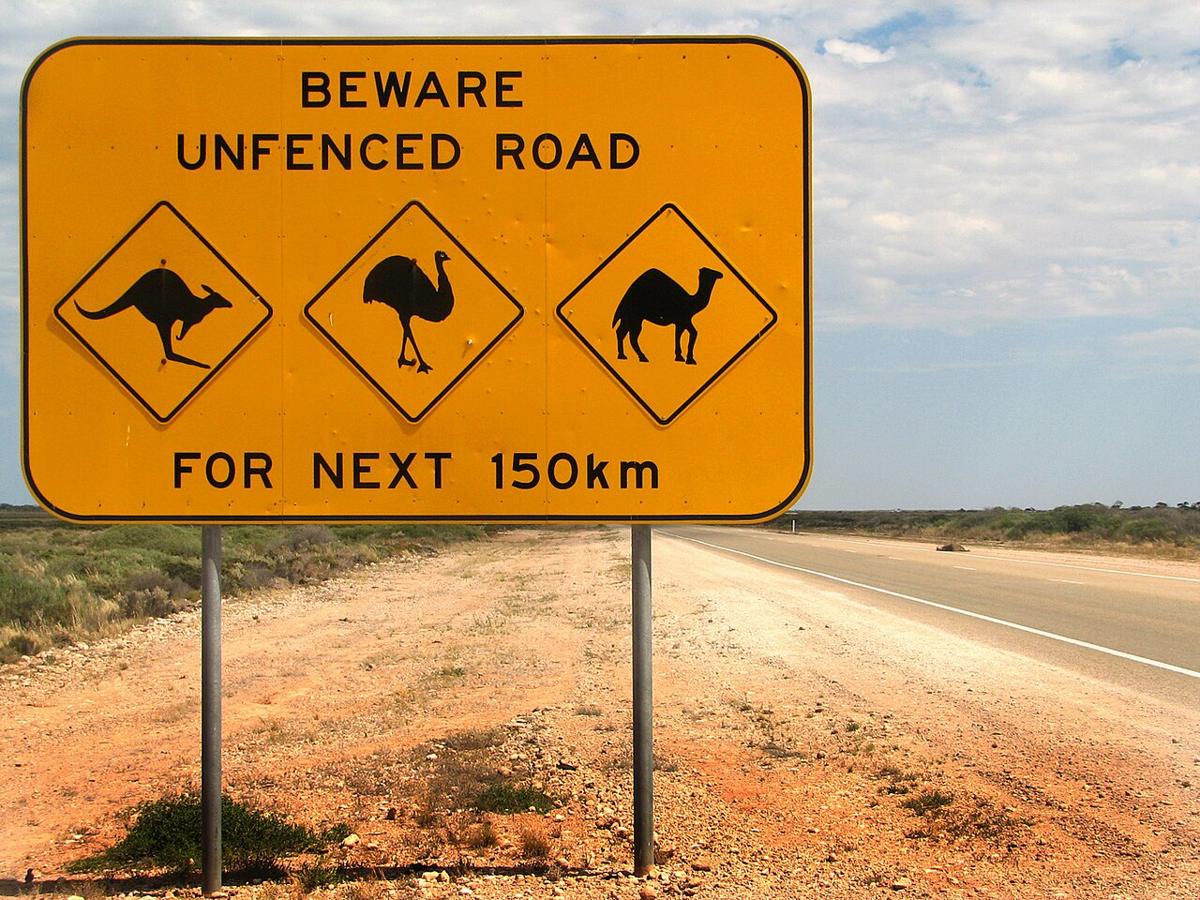
Avoid dusk: In the morning, evening and at night, kangaroos, emus and cattle are on the road. That's when the risk of hitting wildlife is highest — in the outback, drive in daylight only whenever possible.
Outback: There can be hundreds of kilometres between petrol stations. Fill up before every leg and carry water for several days and offline maps. If you break down, stay with the car.
Mobile coverage: Telstra has by far the largest network coverage. Away from the coast there are still big dead zones.
Rental cars and vans: Many contracts ban gravel roads. If you want to drive the Gibb River Road or K'gari, you need a provider that expressly allows it.
Australia is in the Southern Hemisphere: summer runs from December to February, winter from June to August. But where you are matters more than the season — pick a month and the map shows which region suits it.
Month
Best timeOK, with limitationsCool, but doableBetter avoid
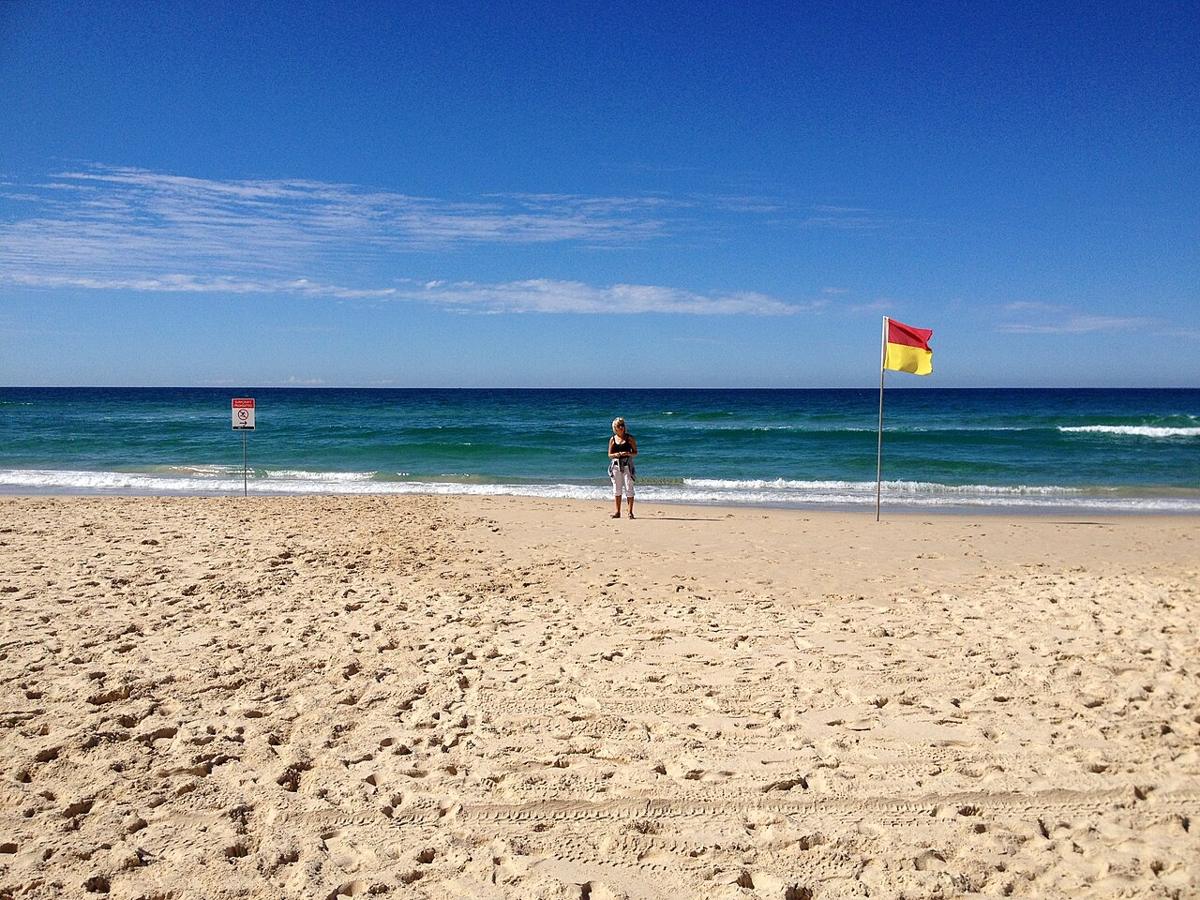
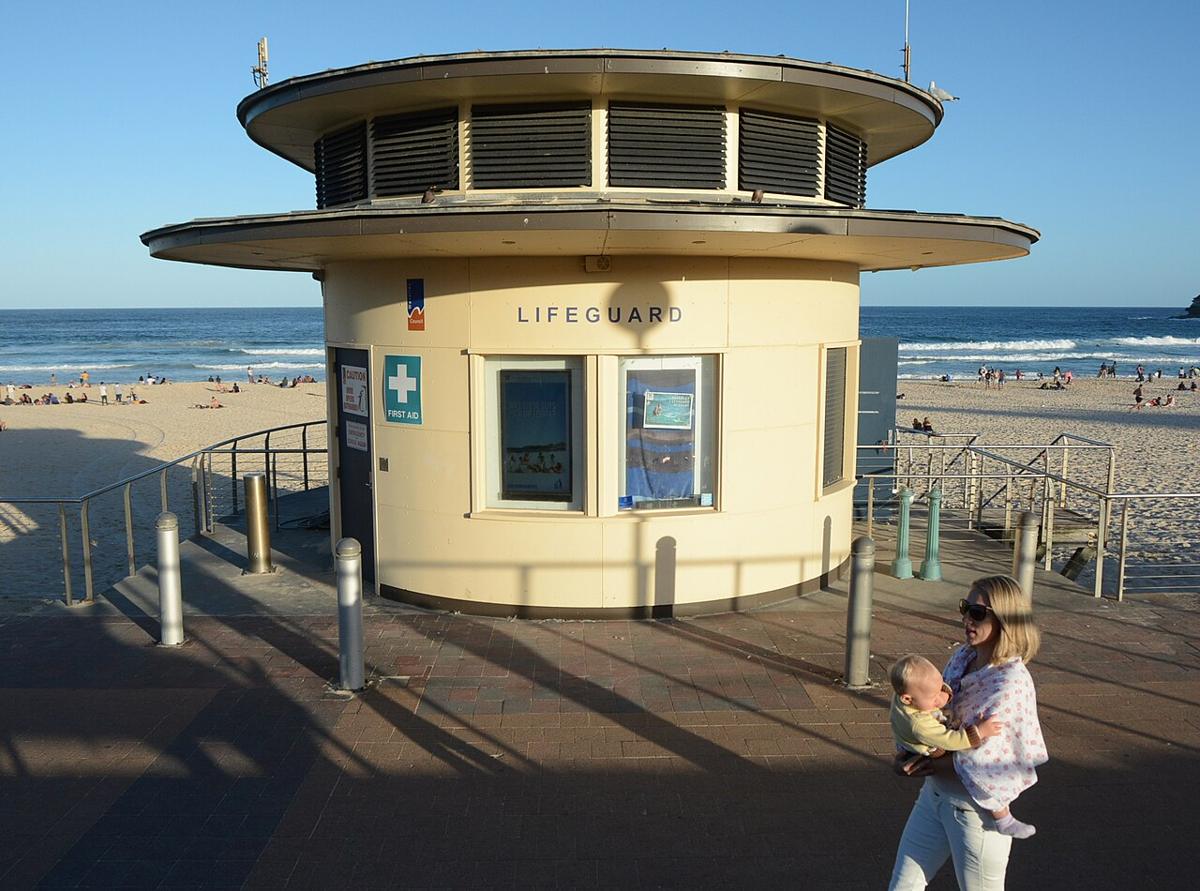
Only swim between the red and yellow flags. Lifeguards put them where they expect the least current. Rip currents are the biggest danger on Australian beaches.
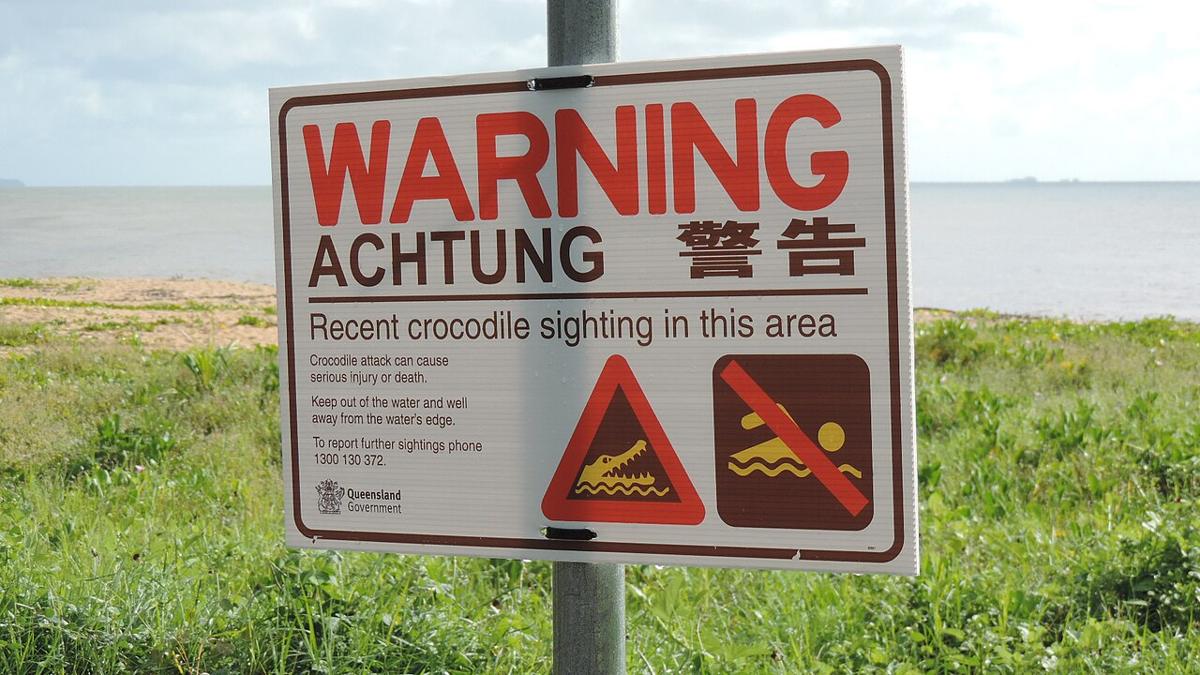
In the tropical north, saltwater crocodiles live in rivers, estuaries, lakes and the sea. The yellow warning signs mean it — only swim at approved spots.
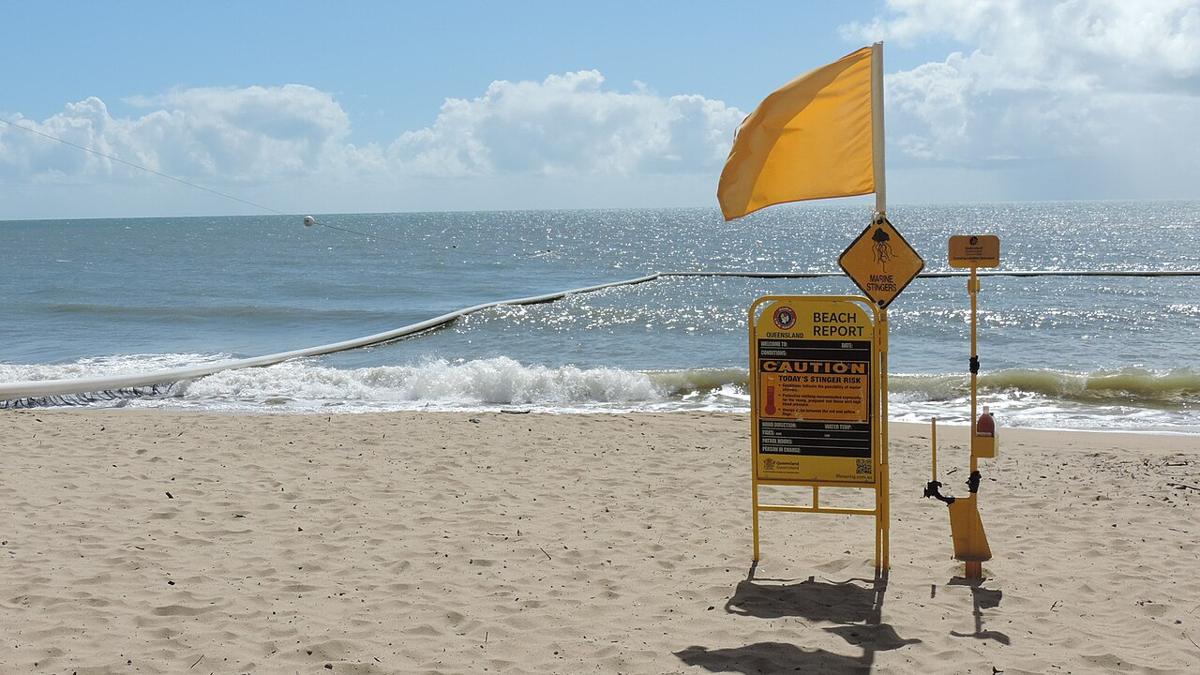
Roughly from November to May, box jellyfish and Irukandji drift in northern Queensland waters, in the south down to about Gladstone. Only go in the sea inside a stinger net or wearing a stinger suit.
Snakes and spiders: There are venomous species, but deaths are very rare. Don't touch them, wear sturdy shoes in the bush. If bitten, stay calm, apply a pressure bandage and call 000.
Wildlife: Don't feed or touch dingoes, kangaroos, quokkas or koalas. On K'gari and Rottnest this can mean hefty fines.
Sun: UV radiation is much stronger than in Europe. Getting sunburnt in 15 minutes is normal — hat, sunscreen, shade.
Remember: Accidents in the water — currents, rock platforms, waterholes — and on the road are far more common than animal attacks.
Book camping early: Popular sites are often booked out months ahead — Queensland requires a permit for every national park campground, Victoria and NSW release sites in fixed booking windows.
Roads in the north: In the wet season, check road conditions before every trip — closures can last for days.
The free Emergency+ app shows your GPS coordinates and calls emergency services directly — important if you don't know exactly where you are.
Weather warnings, cyclones and bushfires: the Bureau of Meteorology app and each state's warning apps.
The German Embassy is in Canberra, the Consulate-General in Sydney.
Travel health insurance covering your entire stay is strongly recommended for Work & Travel.
Common questions
Visa, money and timing
How much does the Australian working holiday visa cost?
The first application costs 840 AUD, the second and third year 1,000 AUD each. As of September 2026 — fees change regularly, so check the Home Affairs price estimator before you apply.
What is the age limit for the working holiday visa?
It depends on your nationality: 30 for most, 35 for some (Germany, France, Ireland, Canada, Italy, Denmark). You have to apply before the birthday that takes you past the limit.
How much money do I need to enter Australia?
Around 5,000 AUD is the usual proof at application. How far that goes depends mostly on accommodation — the budget calculator works it out for you.
How do I get a second working holiday year?
With 88 days of “specified work” in set regions, usually farm work. Only work with payslips and a valid employer ABN counts.
As of September 2026. The information has been carefully researched but is no substitute for legal or visa advice. Rules, fees and closures change — if in doubt, always check with the official source. Photos: Wikimedia Commons under the licences stated.